

Blog Deep work How to actually get deep work done
Deep work · Sep 20, 2026
How to actually get deep work done
A practical guide to deep work: set up the right environment, remove distractions, and use time tracking to see your focus hours and stay consistent.
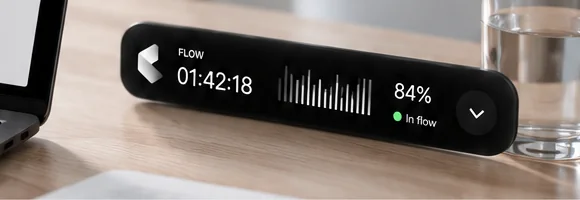
Deep work (uninterrupted, focused work on meaningful tasks) is one of the most valuable skills you can develop. But in a world of constant notifications and competing demands, it's also one of the hardest. In this guide, we'll explore practical strategies to create the right conditions for deep work and show how time tracking can help you build the habit.
Why deep work matters
Deep work leads to higher quality output, faster learning, and a greater sense of accomplishment. It's how you make real progress on the things that matter most.
"Time well understood leads to a better you."
Create the right environment
Your environment has a huge impact on your ability to focus. A few simple changes can make deep work feel effortless:
- Find a quiet space where you won't be interrupted.
- Keep your workspace clean and uncluttered.
- Use a single screen or full screen mode to reduce visual noise.
- Let others know when you're in a focused session.
Remove distractions
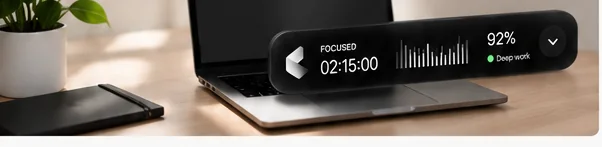
Distractions don't just break your focus. They make it harder to get back into it. Here are a few ways to minimize them:
- Turn off non-essential notifications before you start.
- Close tabs and apps you don't need for the task.
- Put your phone in another room, or use a focus mode.
- Batch messages and email into set times, instead of answering as they arrive.
Use time tracking for awareness
You can't improve what you can't see. Time tracking shows where the day actually went, so deep work becomes a habit you can protect instead of a hope.
- Look at yesterday before you plan today.
- Notice which hours were uninterrupted.
- Compare focused time with the work you meant to do.
A simple framework
- Choose one meaningful task.
- Block a protected stretch of time.
- Remove the obvious distractions.
- Work until the block ends, then review what you finished.
Tools that help
A calendar block, a quiet room, and a record of where the time went. TimeUno shows the focused stretches and the interruptions, so the next block is easier to protect.
Key takeaways
- Deep work is a practice, not a mood.
- The environment and the notification settings do most of the work.
- A record of the day makes the habit visible.